
What to Expect During a Furnace Installation: Step-by-Step Guide
- Posted On: December 15, 2025
- Posted By: aircarehvac
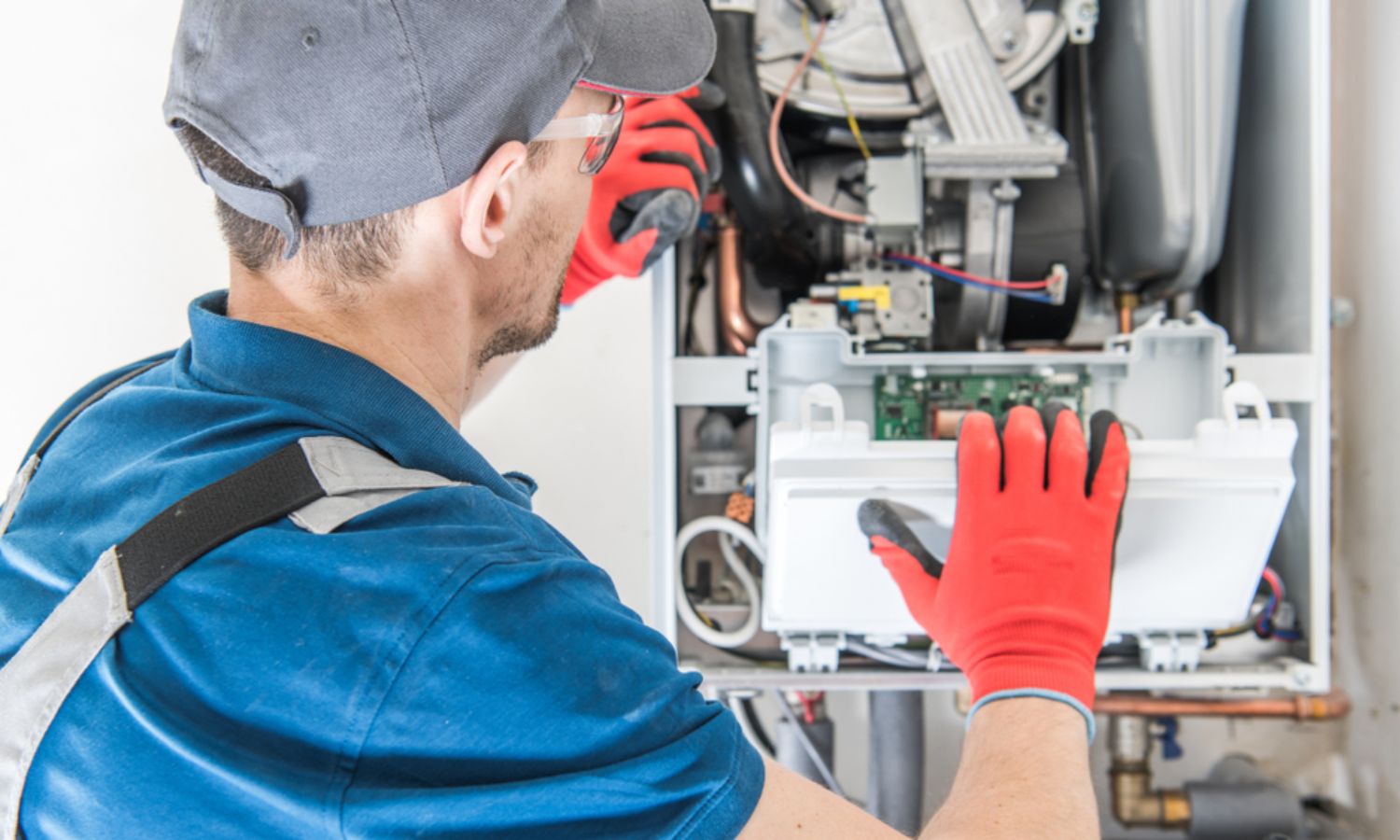
You could be in a position of feeling quite assertive with much preparedness while planning systems for the heating deals. Fundamentally, a professional linked to the furnace installation of Freehold NJ will make sure that your system shall operate quiet, efficient, as well as reliable for a considerable life span in the future. Much emphasis is placed on every step from earliest to final testing to meet the level of indoor comfort. Your guide goes through the entire installation procedure in which one discovers in clear details, apart from preparation expectations, why the individual steps are important.
Initial Home Evaluation and System Selection
The furnace installation process begins far-reaching before any equipment arrives at your home. A qualified HVAC contractor dwells upon your house’s square footage, insulation levels, ductwork conditions. And he evaluates heating needs against the rated capacity and efficiency rating of the furnace being considered. Right sizing is crucial. An oversized or undersized unit will necessitate extra energy cost, cause uneven heating, and cause avoidable wear on components. These talks become even more critical while considering such concerns; fuel options; energy efficiency goals; budget considerations, as homeowners plan to align the system with lasting comfort and saving.
Gas Furnace Installation Design and Preparing for Safety
Proper preparation points the way to a smooth gas furnace installation. Prework planning covers compliance with local codes, safety standards, and manufacturer specifications; inspection of gas supply lines, venting paths, and electrical connections to satisfy immediate requirements should go further. Safety measures have to involve shutting off gas and power supplies and safeguarding local surfaces as the installation can, assuming a scrupulous working path, meet all the relevant and expected controls and safety checklist requirements and put homeowners at ease.
Uninstallation of existing furnace system.
The procedures that follow involve the safe disconnections and removals of existing furnace after a prior unit has been replaced. Technicians carefully detach gas lines, electrical wiring, and duct connections while preventing damage to surrounding components. The old unit is then removed from the home, disposed of or recycled, maintaining environmental guidelines. This process is critical to enable the installation team to fully check the area so that they could rectify any existing issues from the old unit installation before the new furnace installation.
Furnace Installation and Equipment Placement
Much of the installation process revolves around setting the furnace in place, where the new system is placed and ultimately secured. The technicians make sure the new one is laid on a solid and level base to minimize vibrations and noise contamination while it is in operation. All the ductwork connections should be securely sealed to avoid leakage of air, which eliminates comfort and efficiency. Precision connections are made to the electrical circuit with the control and following the guidelines of the manufacturer. Paying attention to these details will ensure that the furnace operates as specified and provides even heating throughout the house.
Natural Gas Furnace Installation and Vent Placement: Segmented Array
To properly vent away the combustion gases and secure air quality in interiors of residential spaces prompt furnace installation is required. Many advanced venting systems with enhanced efficiency and operational safety, aiding better fuel economy and higher convenient use. Correct venting is a very significant part of this task, as improper venting will lead to performance degradation and potential hazards.
Installation of Propane Furnace in Situations Where Natural Gas is Not Readily Available.
In the case of homes without a natural gas connection, installing propane furnacing systems offers a dependable option. One must consider the tanks, regulators, and complicated fuel pipe installations required together for a propane-fired system. The technicians need to size the propane system up correctly during installation and make sure that all fits are safely positioned. It is highly important for the system and cylinders to be tested for gravity and pressure once the propane lines are drawn.
Propane furnaces can provide efficient heat with professional installation, harnessing the great heat output available in a natural gas system.
Calibrating Systems and Performance Testing
Once the installation has been fully completed, our technicians will run tests and calibrate the new furnace. This testing involves checking airflows, the communication between the thermostat and the furnace, ignition systems, and safety controls. The brand new furnace should see all these processes carried out with flying colors and should start, run, and shut down without any issues. Proper calibration maximizes energy efficiency and extends the life of the unit. This is another essential step to assure the furnace performs at its best right from the first day. Inspections and Compliance with Codes
One last inspection guarantees that the setup meets all local codes and manufacturer standards. Technicians check clearances, venting, and all safety components of the installation, which are then documented for warranty purposes. In some instances, local authorities will also want to complete an inspection to specify that the work meets local codes or its own building codes. This is also a procedure to ensure that the furnace installation is compliant with all regulations and ready for long-term follow-up.
Homeowner Orientation and Maintenance Counseling
The team tells them about the operation of the thermostat, when filters should be replaced, and general day-to-day maintenance of the equipment. Understanding how to take care of your furnace will ensure that it works to its full potential and does not break down out of the blue. Apart from that, the homeowners are also urged to engage, on a regular basis, a professional to maintain the system in good condition, ensuring their investment is returned and they receive consistent comfort through all climate specifics.
Creating an architectural feel of the words at the receptive
A furnace installed professionally gives one warm indoor air, cleaning indoor air, and lower energy bills. It is good for a homeowner to know these factors, be informed, and learn the value of professional work during an installation. Therefore, both resistive and radiant heating are standard processes both during system repairs as well as new installation. Those built-in systems are either heatless or heat-laden. But, let me jog my memory against some of the updated versions.
Areas We Serve
Aircare Heating & Cooling proudly serves a wide range of communities across New Jersey. As your local contractor, we understand your requirements and deliver trusted solutions for your home or business.